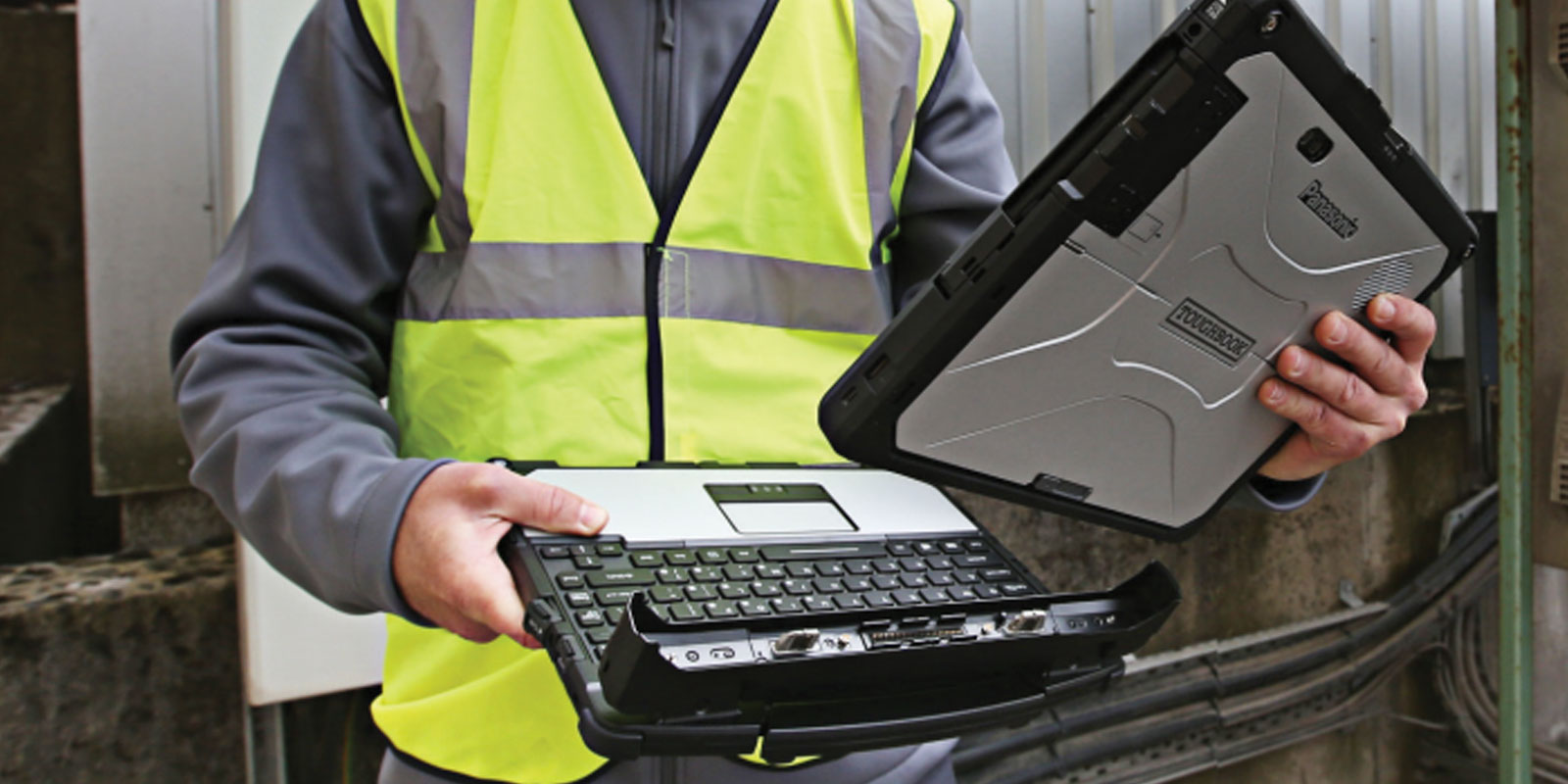
Modern construction projects rely heavily on digital tools for scheduling, design coordination, inspections, and real-time reporting. From BIM software to project management platforms, technology is now central to jobsite productivity. However, traditional office laptops are not built to survive dust, vibration, moisture, and accidental drops. That is why investing in a dedicated construction laptop has become essential for contractors and project managers who need dependable performance in demanding field environments.
As jobsite conditions grow more complex and deadlines more aggressive, selecting the right rugged computing solution directly impacts operational efficiency and long-term cost control.
The Demands of the Modern Jobsite
Construction environments expose equipment to constant physical stress. Devices are frequently used outdoors in bright sunlight, transported between trailers and active work zones, and handled by multiple crew members throughout the day.
Common environmental challenges include:
- Airborne dust and debris
- Temperature fluctuations
- Rain and humidity
- Heavy equipment vibration
- Accidental drops from scaffolding or vehicles
Standard consumer-grade laptops are not designed for this level of exposure. Hardware failure can lead to lost project data, communication delays, and costly downtime.
What Defines a Construction Laptop?
A construction laptop is specifically engineered to withstand the physical conditions typical of active jobsites while maintaining enterprise-level performance.
Key features typically include:
- Reinforced chassis and durable casing
- Shock-mounted internal components
- Spill-resistant keyboards
- High-brightness displays for outdoor visibility
- Extended battery life for long shifts
- MIL-STD durability testing
Unlike conventional laptops, rugged systems are built to protect internal hardware from vibration and impact while maintaining processing speed for demanding applications.
Supporting Digital Construction Workflows
Construction teams increasingly rely on digital platforms for collaboration and compliance. A rugged device must handle software such as:
- Building Information Modeling (BIM) applications
- CAD programs
- Project management tools
- Field inspection reporting systems
- Equipment tracking platforms
Performance matters. Delays caused by system crashes or overheating can disrupt workflow and affect scheduling accuracy. A construction laptop ensures stable performance even in high-heat or dusty environments.
Reducing Downtime and Replacement Costs
While rugged laptops may require a higher initial investment, they often deliver lower total cost of ownership over time.
Consumer laptops deployed on jobsites frequently suffer:
- Screen damage
- Port failure
- Keyboard malfunction
- Overheating
- Hard drive corruption
Replacing equipment repeatedly not only increases direct hardware expenses but also reduces productivity during downtime. Rugged construction laptops are designed to minimize these interruptions.
By extending device lifespan and reducing repair incidents, companies can improve operational consistency and budget predictability.
Improving Field Mobility and Communication
Construction professionals rarely remain stationary. Superintendents, safety managers, and inspectors move throughout large project areas daily. Mobility is critical.
Modern construction laptops offer:
- Lightweight yet durable design
- Long-lasting batteries
- Wireless connectivity options
- Vehicle docking compatibility
- Glove-friendly input features
These capabilities allow teams to access blueprints, update project logs, and communicate changes in real time — without returning to a site office.
Safety and Data Protection
Beyond physical durability, construction companies must consider data security. Projects often involve confidential blueprints, contract details, and compliance documentation.
Rugged laptops frequently support:
- Secure authentication options
- Encrypted storage
- Enterprise-grade operating systems
- Remote device management
These features help protect sensitive information while ensuring IT departments can maintain oversight across multiple jobsites.
Planning for 2025 and Beyond
The construction industry continues to integrate digital transformation strategies. As automation, drone mapping, and cloud-based collaboration expand, the need for reliable field computing hardware will only grow.
When selecting a construction laptop, decision-makers should evaluate:
- Environmental exposure levels
- Performance requirements
- Battery life expectations
- Future scalability
- Long-term warranty and support
Choosing equipment that aligns with real-world jobsite conditions ensures long-term value and operational resilience.
For contractors seeking specialized rugged computing solutions tailored to construction environments, Rugged Computing, Inc provides expert guidance and a range of durable laptops engineered to withstand the challenges of modern worksites.
Final Thoughts
Technology is no longer optional in construction — it is foundational. However, deploying fragile office hardware into demanding field conditions creates unnecessary risk.
A purpose-built construction laptop supports productivity, protects critical data, reduces downtime, and strengthens project execution from groundbreaking to completion.
Investing in durable computing solutions today ensures your jobsite remains efficient, connected, and prepared for the evolving demands of 2025 and beyond.
Equipped with a Bachelor of Information Technology (BIT) degree, Lucas Noah stands out in the digital content creation landscape. His current roles at Creative Outrank LLC and Oceana Express LLC showcase his ability to turn complex technology topics into engaging, easy-to-understand content for their websites.
Lucas specializes in writing technology guides. His work is distinguished by its clarity and relevance, making daunting tech subjects accessible and interesting to a broad audience. His guides are not just informative but are a testament to his skill in bridging the gap between technical expertise and everyday usability.
In addition to his tech-focused articles, Lucas has a keen eye for capturing the essence of his surroundings. His writing transcends technology, as he effortlessly brings to life various observations and experiences in his articles. This versatility not only demonstrates his wide-ranging interests but also his ability to connect with readers on multiple levels.
Lucas Noah’s writing is a fusion of technical acumen and a deep appreciation for the world around him, offering readers a unique and insightful perspective on both technology and life.


